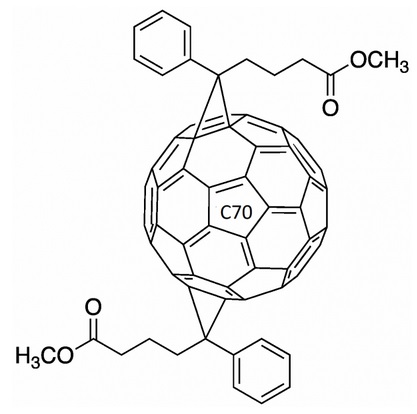

Bis-PC72BM

get 5% discount with coupon code: web5
SOL5072

Bis-PC72BM is a derivative of Fullerene C70. Used as an electron acceptor from Donor materials such as P3HT (SOL4106), PCDTBT (SOL4280), or PTB7 (SOL4700) to make high Open Circuit Voltage (Voc), high Power Conversion Efficiency (PCE) bulk heterojunction solar cells, >99.9% [6,6] isomerized.
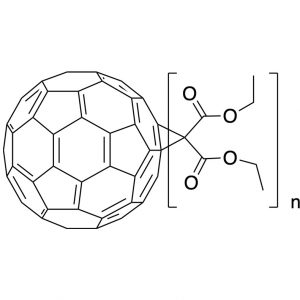
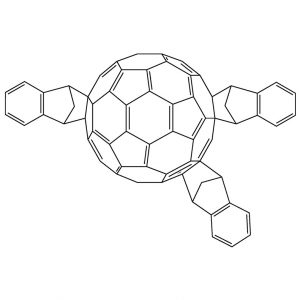
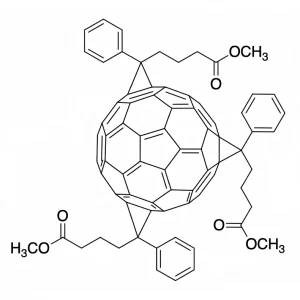
UPON REQUEST.
This product cannot be purchased online.


REQUEST HERE

LOGIN OR REGISTER TO SEE PRICES

Description

Bis-PC72BM (SOL5072) – High-LUMO C70 Fullerene Bis-Adduct for Enhanced Voc

Bis-PC72BM (SOL5072, CAS: 1048679-01-1), or Bis[70]PCBM, is a high-performance C70 fullerene bis-adduct electron acceptor engineered for organic photovoltaics (OPV). Supplied by Solaris Chem with >99.9% [6,6] isomer purity, Bis-PC72BM elevates the LUMO energy level to significantly boost open-circuit voltage (Voc) while leveraging the broader visible light absorption of the C70 cage to maximize power conversion efficiency (PCE).

The “Bis-Adduct” Advantage: Elevating Open-Circuit Voltage (Voc)

  • Higher LUMO Energy Level: Adding a second solubilizing group to the C70 cage raises the LUMO energy level, broadening the energetic gap relative to donor polymer HOMO levels.
  • Direct Voltage Boost (Voc): Effectively overcomes the primary voltage limitation of standard mono-adduct acceptors like PC71BM, resulting in substantial PCE gains.
  • Broader Optical Absorption (400 – 700 nm): The asymmetrical C70 cage enables stronger optical transitions in the visible spectrum, generating higher short-circuit current (Jsc) compared to C60 bis-adducts.
  • Superior Processing Solubility: Highly soluble in toluene, chlorobenzene, and 1,2-dichlorobenzene for stable donor/acceptor ink formulations.

Available High-Purity Grade

  • Grade > 98.00% (SOL5072A): High-purity C70 bisadduct grade engineered for high-efficiency bulk heterojunction solar cell optimization and industrial scaling.

Synergy with High-Performance Donor Materials

Bis-PC72BM (SOL5072) creates high-efficiency active layers when paired with benchmark donor polymers:

  • P3HT (SOL4106): P3HT polymer for fabricating high-voltage variants of the classic reference solar cell.
  • PCDTBT (SOL4280): PCDTBT polymer optimized for improved thermal stability and high-voltage charge transport.
  • PTB7 (SOL4700): Premium donor polymer for state-of-the-art flexible organic photovoltaic research.

Technical Documentation & SDS

Safety Data Sheet:
Download SDS-SOL5072 (PDF)

Bis-PC72BM (SOL5072) Technical Specifications

Property Specification / Value
Acronyms Bis PC72BM, Bis[70]PCBM, Bis-PCBM, PC70BM bisadduct
Chemical Name Bis(1-[3-(methoxycarbonyl) propyl]-1-phenyl)-[6.6]C72 ; [6,6] diphenyl C72 bis(butyric acid methyl ester)
CAS Number 1048679-01-1
Appearance & Texture Brown to black crystalline powder
Molecular Weight 1031 g/mol
Isomer Purity > 99.9% [6,6] isomerized
Solubility Profile Toluene, Chlorobenzene, 1,2-o-Dichlorobenzene

Frequently Asked Questions (FAQ) – Bis-PC72BM (SOL5072)

What is the primary advantage of Bis-PC72BM (SOL5072) over standard PC71BM?

Bis-PC72BM is a bis-adduct C70 fullerene derivative featuring an elevated LUMO energy level. Pushing the LUMO level higher increases the energetic offset with donor polymers, directly boosting the open-circuit voltage (Voc) and overall power conversion efficiency (PCE) in solar cell devices.

Why is C70-based Bis-PC72BM preferred over C60 bis-adducts?

Due to the asymmetrical, rugby-ball shape of the C70 cage, Bis-PC72BM exhibits broader optical absorption across the visible spectrum (400 nm to 700 nm), increasing photon harvesting and short-circuit current (Jsc).

Which solvents are best suited for processing Bis-PC72BM?

Bis-PC72BM offers high solubility in standard organic solvents including toluene, chlorobenzene, and 1,2-o-dichlorobenzene, making it ideal for spin-coating, slot-die, and blade-coating ink formulations.

Request pricing for larger quantity

* Price subject to change without prior notice.

Notice: Products for Research and Development. Laboratory use only by qualified personnel. The user should read the available SDS and be aware of any precautions to take for the safe manipulation of these materials. Solaris Chem shall not be held responsible for any damage resulting from handling or use.